Introduction to Amateur (Ham) Radio
Date and Time
Tuesday May 26, 2026
6:00 PM - 9:00 PM EDT
Location
4737 Fuller Rd.
East Jordan, MI 49727
Contact Information
231-536-3369
Send Email
Description
Please note: This class is a 4-day commitment occurring on May 5, 12, 19, and 26th from 6-9pm
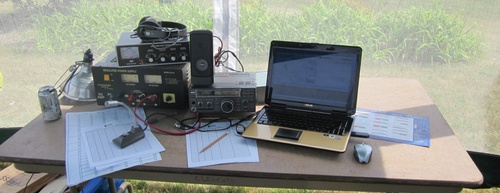
Becoming an amateur radio operator—often called a “ham”—opens the door to a worldwide community of communicators, experimenters, and public‑service volunteers. Amateur radio uses designated radio frequencies for non‑commercial communication, self‑training, technical learning, recreation, and emergency communication.
This course provides a clear and practical introduction to amateur radio and prepares students to pass the FCC Technician (beginner) license exam. No prior radio or electronics experience is required. By the end of the class, participants will understand how amateur radio works, how it is used locally and globally, and how to get legally licensed to operate their own radio station.
Age Range: Any age (typically Jr. High and above)
Cost: Includes a $30 printed study book
Cost: Includes a $30 printed study book
What to Expect:
During this course, students will:
 Learn what amateur (ham) radio is and how it differs from commercial, public safety, and professional radio services Explore the history and purpose of amateur radio, from early radio experimentation to modern emergency and digital communications Understand FCC rules, licensing requirements, and operating privileges for Technician license holders Learn the basics of radio waves, frequencies, and how radios communicate Become familiar with common radio equipment, antennas, and basic station setup Practice proper operating procedures and etiquette used by licensed operators Prepare thoroughly for the FCC Technician exam using guided instruction and the included study book
Instruction is designed to be approachable and engaging, using clear explanations, real‑world examples, and opportunities to ask questions. The class emphasizes understanding—not memorization—so students feel confident both taking the test and using amateur radio afterward.
After the Class
 Students who are ready may take the FCC Technician exam ($15) at a scheduled session with volunteer examiners
 Upon passing, students can apply for their official FCC amateur radio license
 Licensed operators can legally communicate locally, nationally, and internationally using amateur radio
+Radio)
Printed courtesy of www.elkrapidschamber.org/ – Contact the Elk Rapids Area Chamber of Commerce for more information.
305 US-31 North, Elk Rapids, MI 49629 – (231) 264-8202 – info@elkrapidschamber.org